
Best Paper Award: Winner
PANEL 7: Visual Media, Materiality, and Literary Worlds
Best Paper Award: Winner
- PANEL 7: Visual Media, Materiality, and Literary Worlds
Circulating Care: Käthe Kollwitz’s Prints and the Transnational Aesthetics of Revolutionary Empathy in Interwar Shanghai
Qu, Fangyuan
University of Münster
Abstract
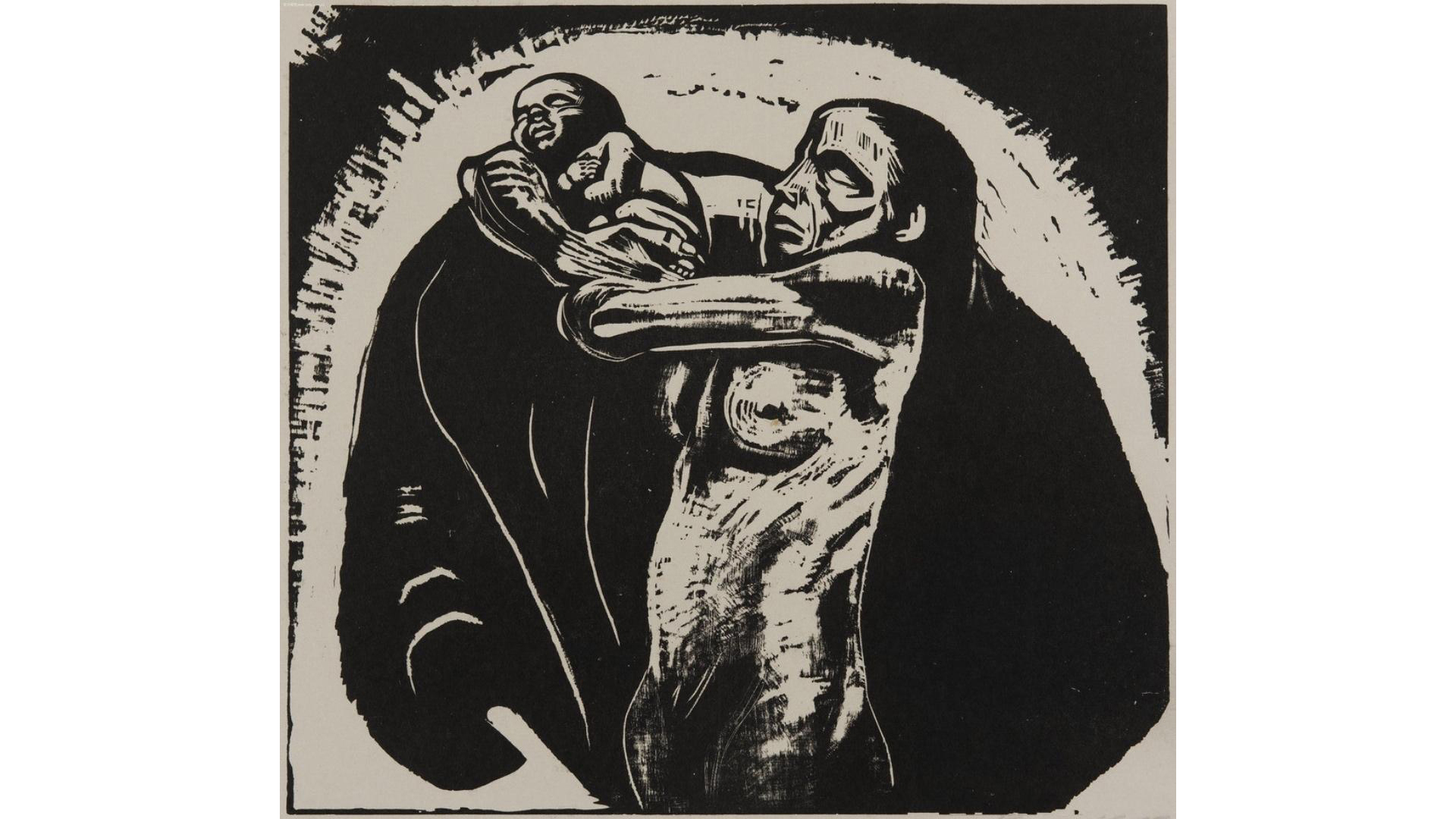
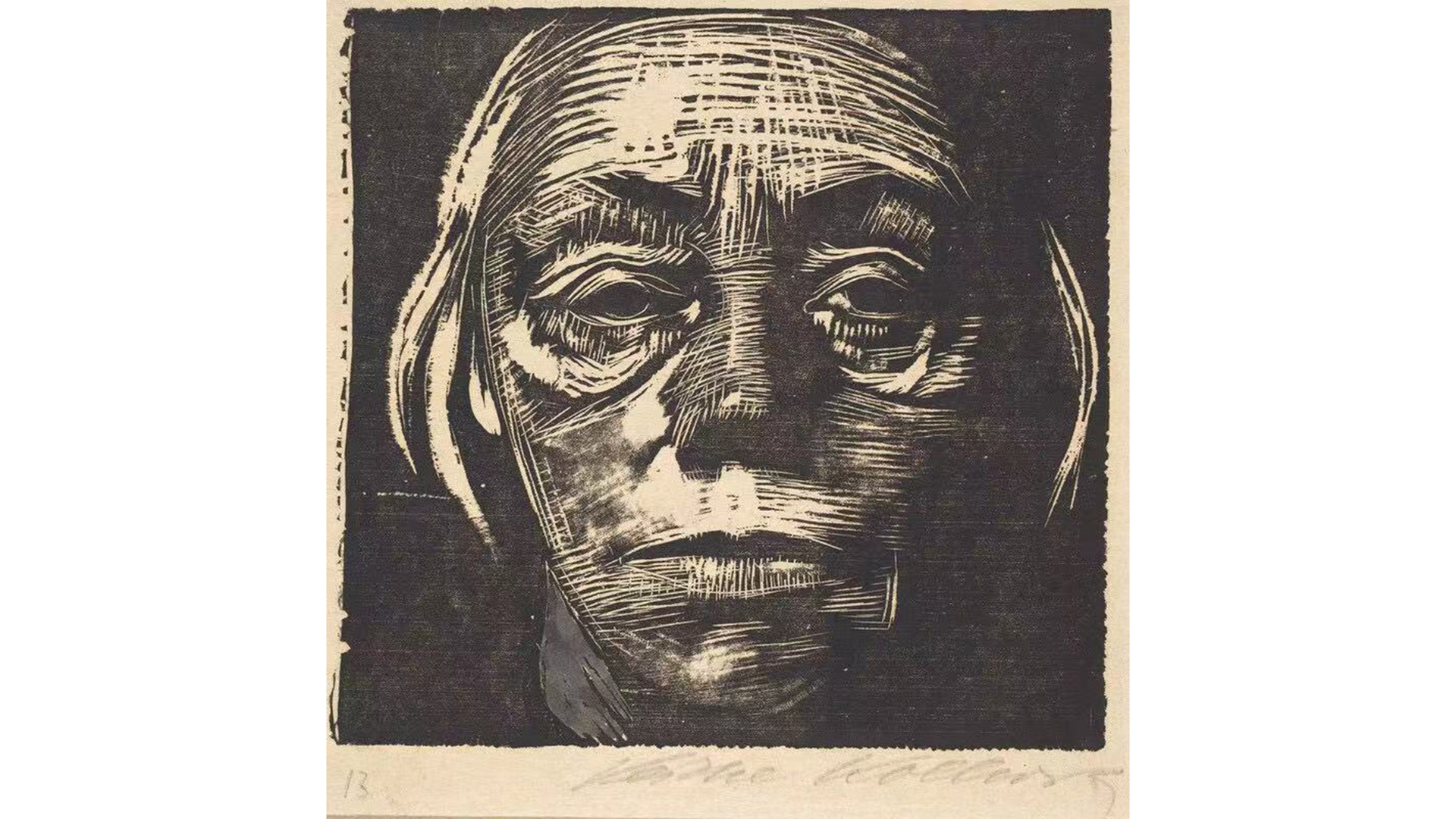
This paper examines the transnational circulation of Käthe Kollwitz’s print portfolios from late Weimar Germany to 1930s Shanghai, where they were reconfigured within emergent Asian revolutionary networks. Rather than framing this as mere artistic influence, I conceptualize these portfolios as traveling media that carried a distinct visual ethics of care—rooted in representations of maternal grief, working-class suffering, and collective vulnerability under oppression. As these images crossed linguistic and political borders, their affective force was not merely transmitted but actively rearticulated. Beginning in 1931, selected portfolios entered Chinese radical circles through Lu Xun’s advocacy, including publication in journals such as Beidou, exhibitions in leftist bookstores, and his compilation and publication of Käthe Kollwitz Portfolio in 1936. In Shanghai, Kollwitz’s imagery was mobilized not only as aesthetic models but as visual technologies of empathy within the burgeoning woodcut movement. Through translation of accompanying texts, mechanical reproduction in periodicals, activist exhibitions, and pedagogy in woodcut workshops, these prints helped cultivate an affective community grounded in shared experiences of loss, oppression, and resistance. By reconstructing the material and discursive pathways of this circulation, the paper argues that care—understood here as an affective ethics of concern for vulnerability and collective suffering—functioned as a transnational connective force linking European and Asian leftist cultures. The case demonstrates that interwar cultural exchange was not a onedirectional transfer but a process of mutual rearticulation, through which revolutionary modernism was reshaped across media, geography, and ideology.
Image Credit: Image 1: Käthe Kollwitz, The Sacrifice (Das Opfer), 1922-23, Woodcut, K. 177. National Gallery of Art, Washington, Rosenwald Colletion
Image 2. Käthe Kollwitz, Frontal Self-Portrait (Selbstbildnis von vorn), 1923, Woodcut, K. 168. National Gallery of Art, Washington, Rosenwald Collection
Reference: Kollwitz, Käthe. Prints and Drawings of Käthe Kollwitz. Edited by Carl Zigrosser. New York: Dover Publications, Inc., 2012.